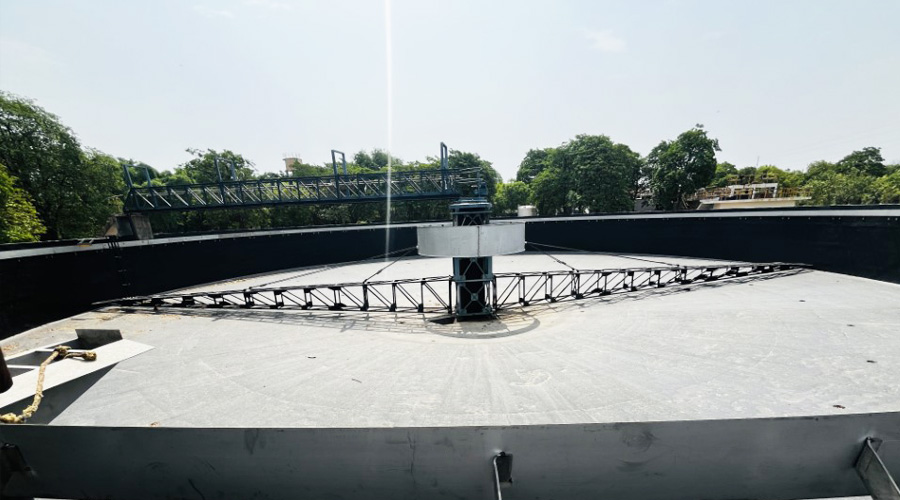

The choice of sluice gate is an important one when it comes to designing and operating Sewage Treatment Plants (STPs). With an well choice gate it is possible to have a good control of the flow, no leaks, better condition and safer processes as well as having your process free from interruption.
As STPs work at different flow and corrosive conditions, the suitable STP sluice gate is to be evaluated in a systematic manner considering several technical criteria.
Tips to Choose the Best STP Sluice Gate
Evaluate Application and Installation Site
The first thing in selecting a sluice gate is to know where it will be placed. Inlet channels, aeration tanks, clarifiers and sludge lines have flow rates and pressure conditions that differ from the operating environment water gates enter. Technical information such as where the gate is to be installed (open channel, pressurized system) also assists in determining the available gates and their structural requirements.
Determine Operating Head and Pressure.
Gate choice is largely determined by water head and pressure. Gates may be high-head to seat and unseat against pressure or low-head for other applications. You can ask for this information from the sluice gate manufacturer. Misjudgment of hydraulic forces may result leakage, deformation and unsafe operating. Accurate force calculation can effectively guarantee the stable operation of the equipment.
Select the Appropriate Gate Type
It is important to select the appropriate sluice gate type for an effective STP operation. Deep sluice gates are appropriate for high-pressure and subterranean settings, open channel sluice gates are designed for canals and flow control zones.
Stop log gates are excellent for situations that need temporary isolation for maintenance. Use of the best suitable type allows to have a better control operation and lower maintenance risks.
Choose Corrosion-Resistant Materials
STP conditions involve exposure of gates to chemicals, to muddy water/moisture and the constant flow of wastewater. The materials used in STP sluice gate should resist corrosion and be sufficiently durable to withstand the cutting. Stainless steel material types, especially SS316, are chosen as it can withstand aggressive sewage duty and is compatible with a longer life cycle.
Decide on the Operating Mechanism
The motorized sluice gates or manual sluice gates can be selected in accordance with the values of frequency and plant automation level. Hand-operated gates may be appropriate for small-scale operation although motorized (electric, pneumatic or hydraulic) gates provide control,safety and economy in the larger STP’s or automatic plant.
Conclusion
Various aspects including installation condition, pressure, gate type, durability of materials and operation system should be considered for selecting the proper sluice gate for Sewage Treatment Plant. The perfect sluice gate enhances efficiency of the plants, and could reduce the leakage, maintenance workload and operational risk.
Moreover, always choose trusted sluice gate manufacturers for wastewater treatment, in a consistent, and safe way for a longer period of time.